Glen-Gery Brickwork Design Guide -- Brick Products

Print this page  
print
Where to buy: Quick Links: Search:
 

Brick selection is among the most important decisions you will make when customizing your home's appearance. Brick is, after all, the visual foundation of your home, often making up three-quarters or more of the exterior walls.

The brick manufacturing process itself lends distinct characteristics and options to consider. Extruded, molded and handmade -- the looks range from uniform to soft and casual to irregular. Your choice will depend on architectural style and personal preference.

Glen-Gery offers a diverse line of over 300 products to meet the needs of homeowners and commercial builders alike. Bricks are manufactured to meet ASTM standards, either C216 or C652.

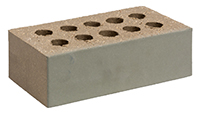
Extruded Brick Extruded
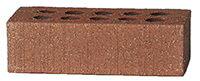
The crisp, angular edges of extruded brick are produced as a result of the manufacturing process in which material is forced through a die under high pressure, forming a stiff column of material. After the column is formed, it can be textured in a variety of ways. The column is then sliced into individual brick. Extruded brick can usually be identified by its core holes.
 
Rolled Edge Brick Rolled Edge
Rolled Edge brick offers an economical alternative to machine molded or handmade brick. The manufacturing method is that of extruded, but with the added step of using wheels to roll the edge of each brick. The result is a look that's soft and slightly undefined.
 
Molded Brick Molded
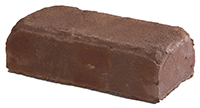
The soft irregular edges of molded brick are produced in a manufacturing process in which material is dropped into a mold box, vibrated and then released. Molded brick usually have sand finish textures since sand is used as a releasing agent in the mold box.
 
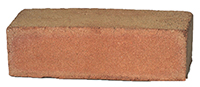
Handmade Brick Handmade
Glen-Gery Authentic Handmade brick is a perfect example of old-world craftsmanship. Each brick is individually formed and placed in a wooden mold to create a wonderfully textured brick...no two being alike. The overall look in the wall is authentic in every way to our early colonial structures. Glen-Gery began practicing this ancient art of brick making in 1850, and it remains a proud tradition today.
 
Papercut Brick Papercut
Papercut brick is manufactured by placing a sheet of kraft paper on top of an extruded column of material prior to cutting into individual units. The wirecutters are then sliced down through the paper slightly dragging into the column and producing an irregular edge.
 
Tumbled Brick
Tumbled

Simulated Tumbled Brick
Simulated Tumbled

Tumbled
The appeal of this "used brick" look comes from the quaint and charming irregularity evident not only in the surface texture, but also in the variation seen when laid up in a wall. The unique texture may be the result of physically tumbling extruded fired brick, or by a mechanized process that incorporates a diverse textured pattern onto extruded, pre-fired clay.
 
Thin Brick Thin Brick
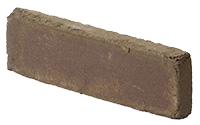
Thin Brick veneer looks like a conventional brick masonry wall, yet weighs considerably less. For that reason, it's popular with homeowners for redecorating or renovating existing walls. Glen-Gery's Thin Brick is manufactured using the papercut extruded method. A half-inch slab is cut off the column of clay during the extruding process and immediately replaced. The companion units are fired together. The half-inch Thin Brick section is then separated for packaging.
 
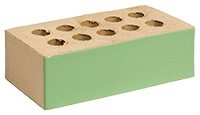
Thin Brick Glazed
After the material is extruded, a glaze is applied that becomes an integral part of the unit during the firing process. Glen-Gery's glazed brick meets the highest standards of uniformity, quality and durability, and is available in a variety of beautiful shades, pure colors and speckled surfaces. The use of glazed brick is typically reserved for commercial construction.